WordPress plugins: fewer is not always better, but better maintained is
Plugin count alone is a poor measure of a WordPress site; quality, overlap and maintenance matter more.
Updates, news and developments from hosting, security and Internet infrastructure.
Plugin count alone is a poor measure of a WordPress site; quality, overlap and maintenance matter more.
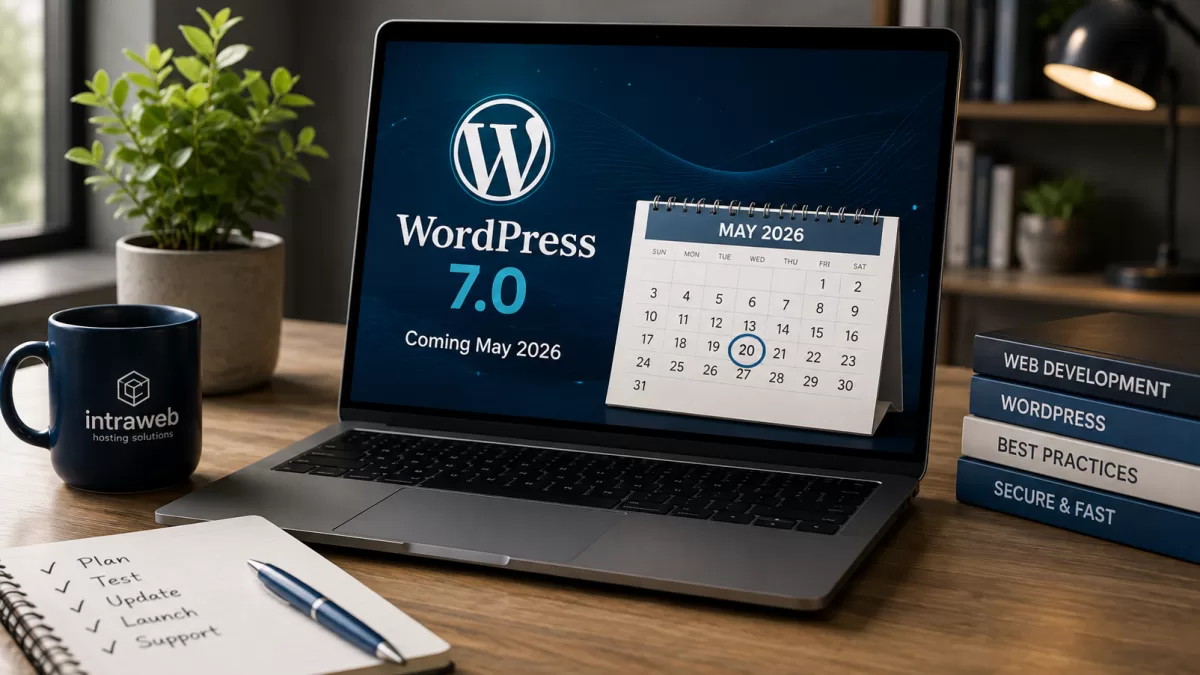
WordPress 7.0 arrived on May 20 with a new admin experience, design tools, developer changes and foundations for AI features.
The WordPress project moved the 7.0 release to May 20, giving contributors more time for architectural work and testing.
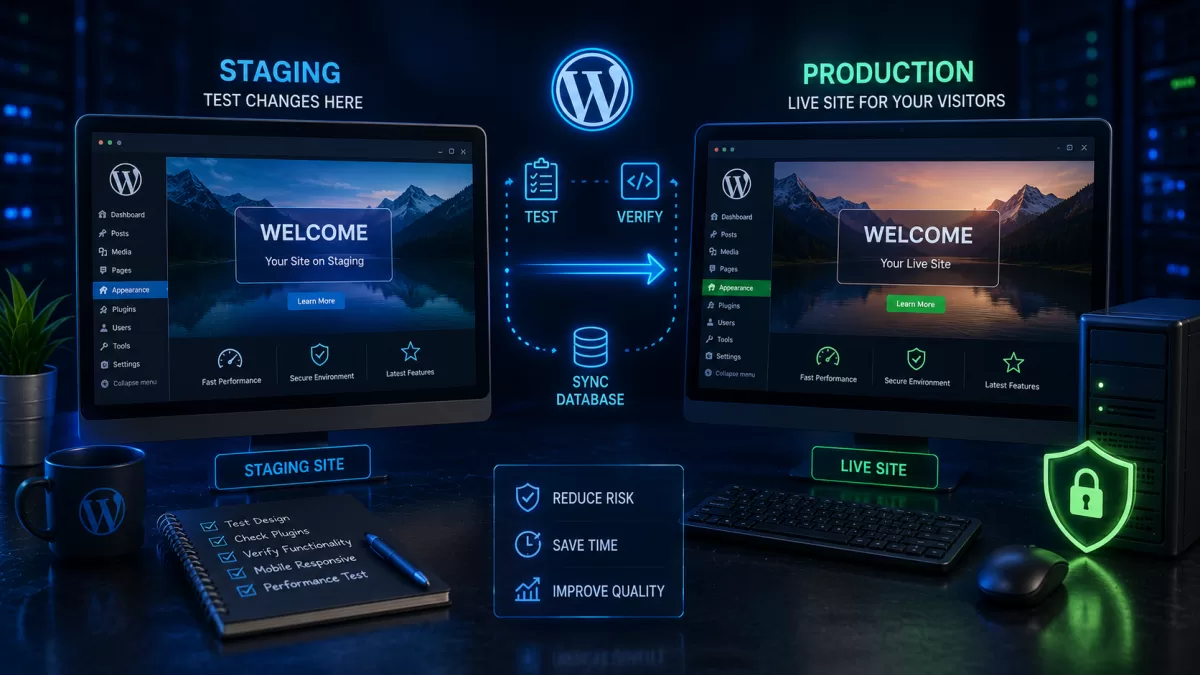
A staging copy gives changes somewhere safe to fail before they reach customers.
WordPress performance can involve several caching layers. Page caching can bypass much of PHP and database work for cacheable requests, while…
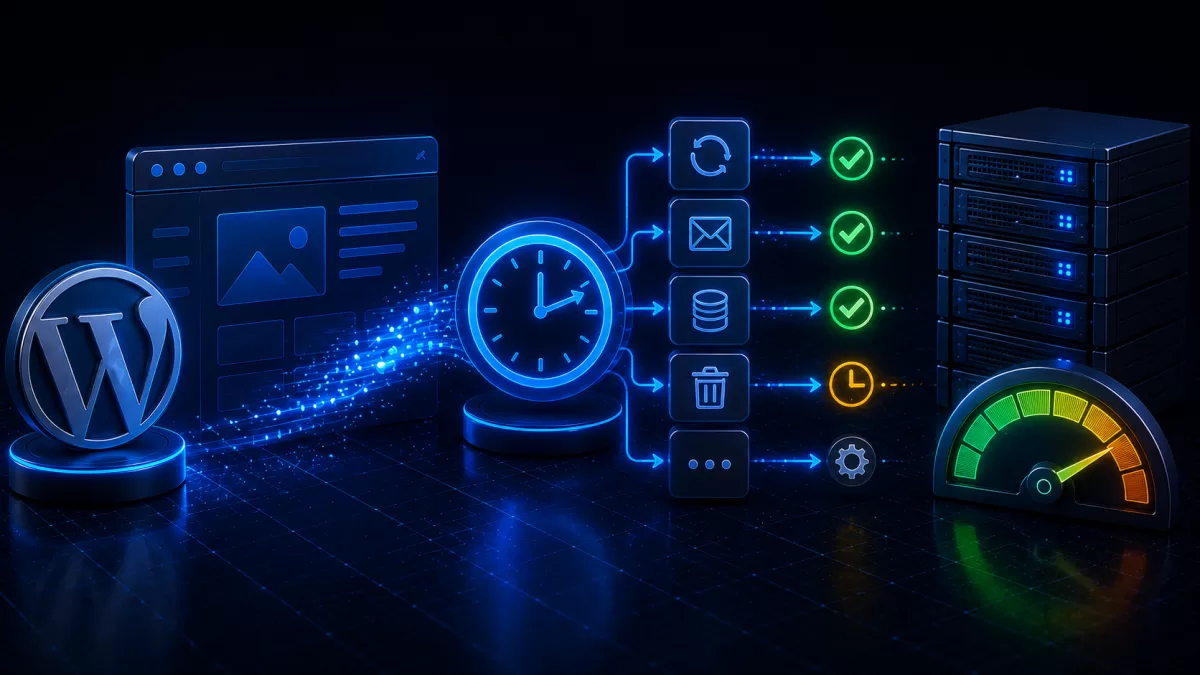
WordPress uses scheduled tasks for publishing, updates, maintenance and plugin jobs. On busy or poorly designed sites, frequent background work…
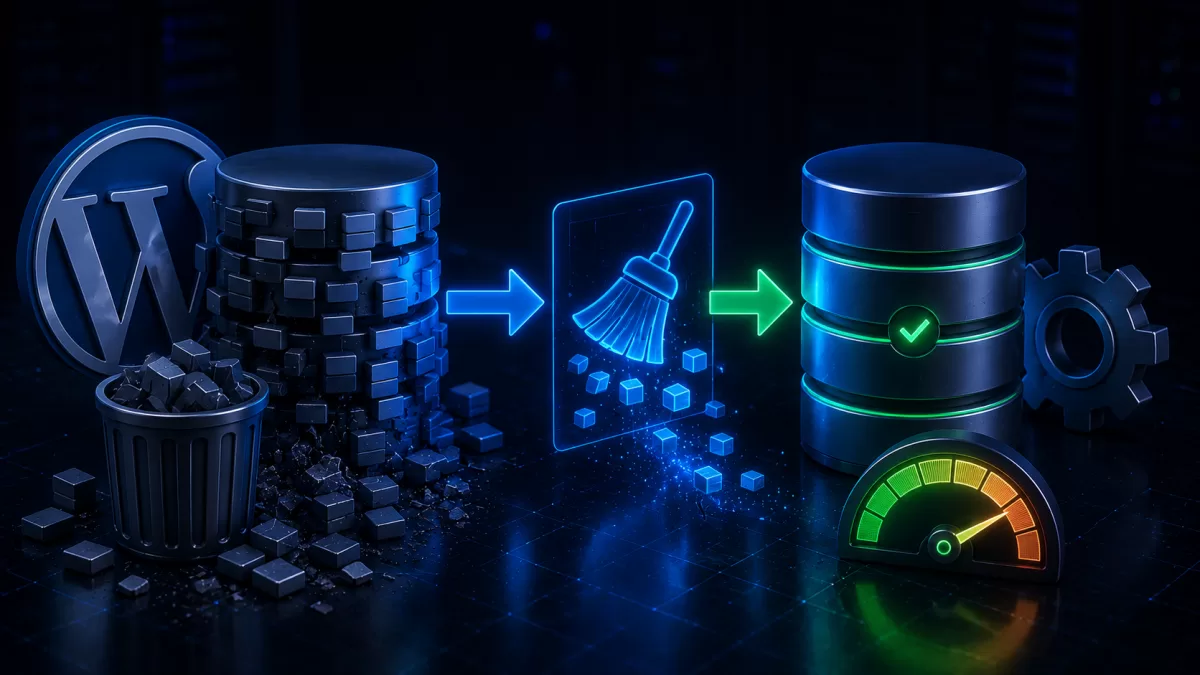
WordPress databases can accumulate revisions, expired transients, plugin tables and historical records over time.
WordPress changes can affect code, database structures, caching behavior and integrations at the same time.
The aim is to connect the technology with everyday operational decisions. The number of installed plugins alone does not determine whether a WordPress site is slow or insecure.
The aim is to connect the technology with everyday operational decisions. Core, plugin and theme updates can change application behaviour, database structures and compatibility.
A new year is a useful time to review updates, backups, plugins, users and basic performance across a WordPress installation.
A plugin can continue working after development stops, while becoming progressively riskier over time.