
Why Website Performance Can Change Without Any Website Changes
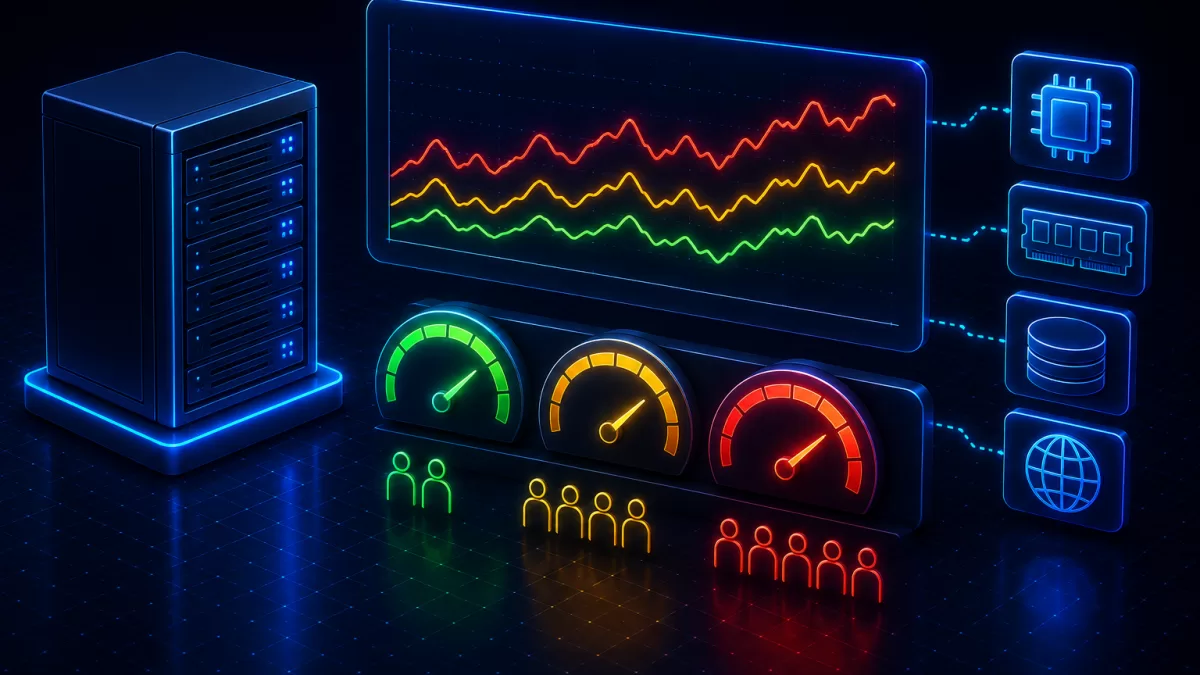
A website can suddenly feel slower even when nobody has changed its pages, plugins or design. The reason is often something happening around the website rather than inside it.
Updates, news and developments from hosting, security and Internet infrastructure.
A website can suddenly feel slower even when nobody has changed its pages, plugins or design. The reason is often something happening around the website rather than inside it.

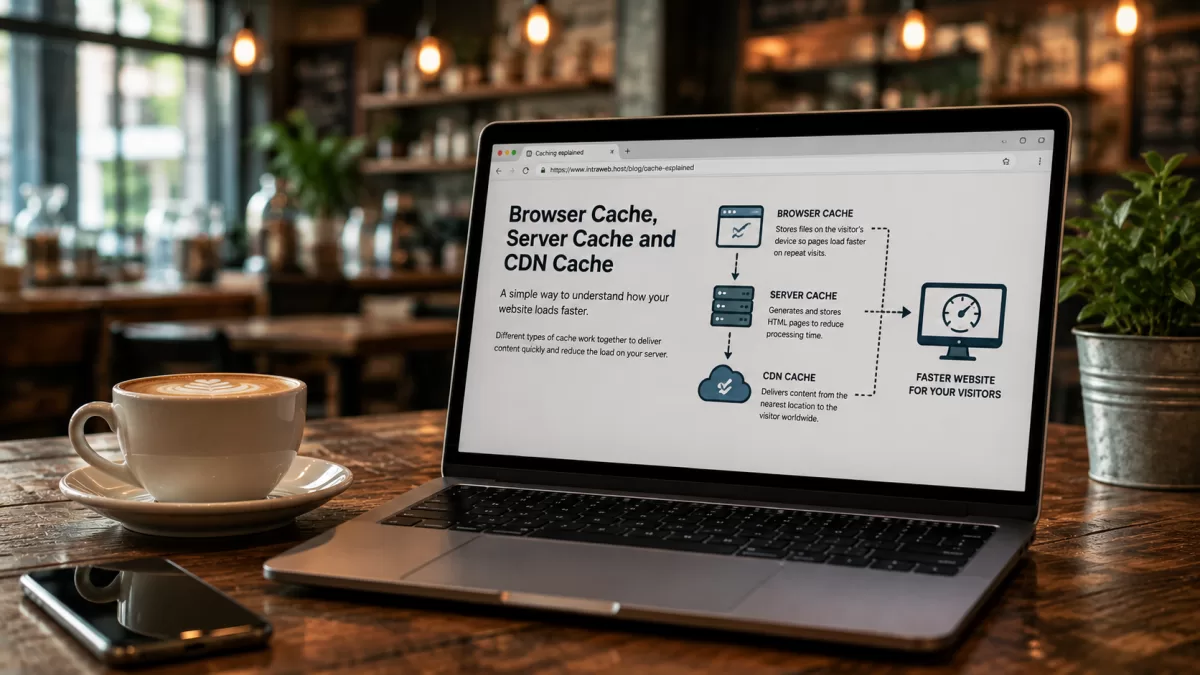
Caching can make a website dramatically faster, but the word “cache” describes several layers that store different things in different places.
A green uptime percentage is useful, but it does not prove that a website is fast, complete or able to perform the actions customers actually need.
Performance is not only a benchmark score; it is the feeling that pages respond when people expect them to.
Plugin count alone is a poor measure of a WordPress site; quality, overlap and maintenance matter more.
WordPress 7.0 arrived on May 20 with a new admin experience, design tools, developer changes and foundations for AI features.
A small business usually needs dependable hosting more than an oversized specification sheet.
WordPress performance can involve several caching layers. Page caching can bypass much of PHP and database work for cacheable requests, while…
Linux load average is often mistaken for CPU utilization. It represents the number of runnable tasks and certain tasks waiting for resources over…
Dynamic requests occupy PHP workers while application code executes. When all workers are busy, additional requests wait even if the server still…
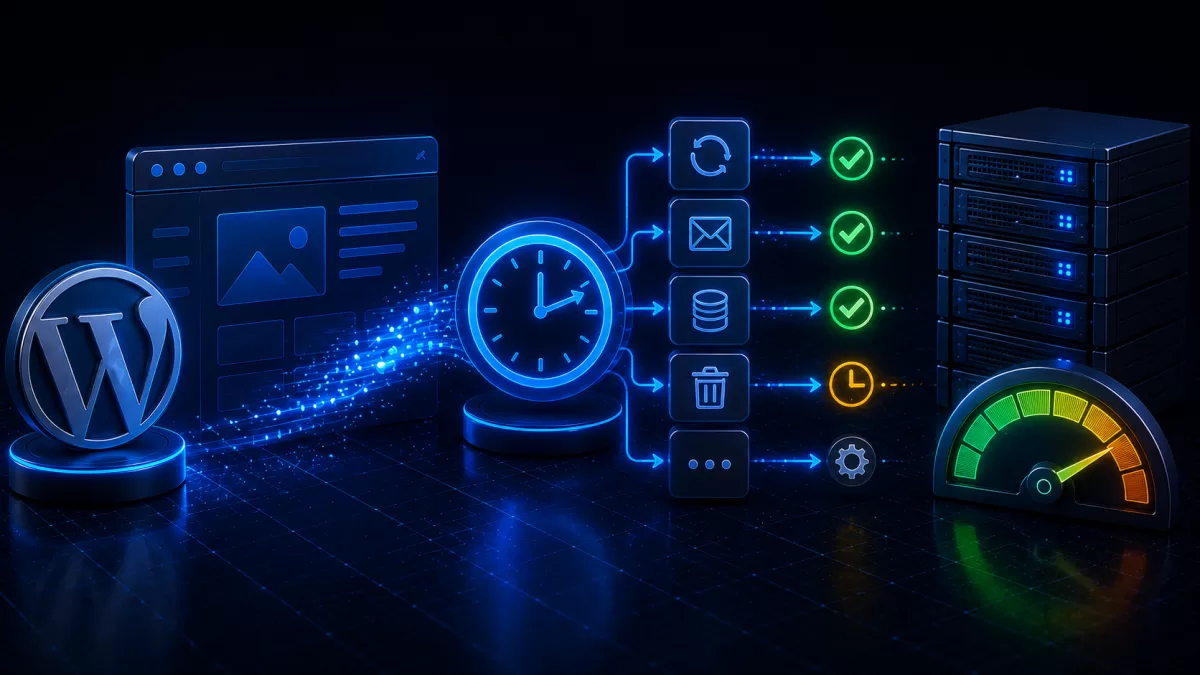
WordPress uses scheduled tasks for publishing, updates, maintenance and plugin jobs. On busy or poorly designed sites, frequent background work…
A slow website is not automatically CPU-bound. Database queries, disk latency, external APIs, PHP worker saturation, network delays and…