
Business email: why an address on your own domain still matters
A domain-based email address is a small detail that supports identity, continuity and control.
Updates, news and developments from hosting, security and Internet infrastructure.
A domain-based email address is a small detail that supports identity, continuity and control.
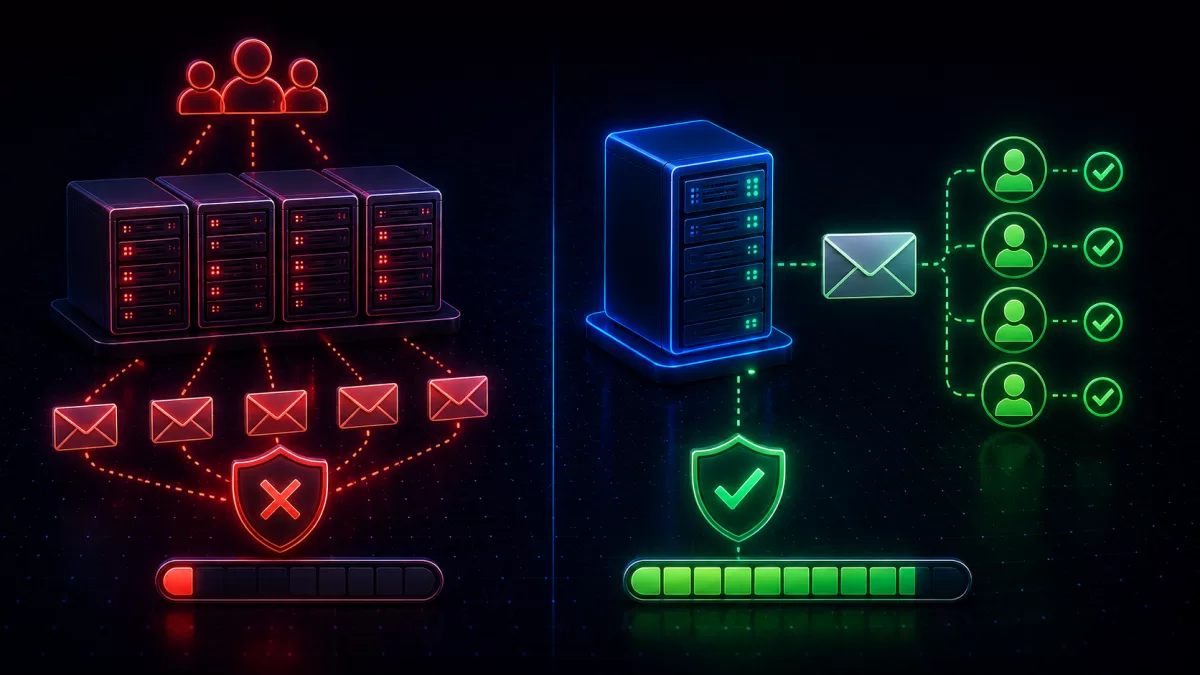
A dedicated sending IP is not automatically better than a shared one. Reputation depends on sending volume, consistency, complaints, bounces…
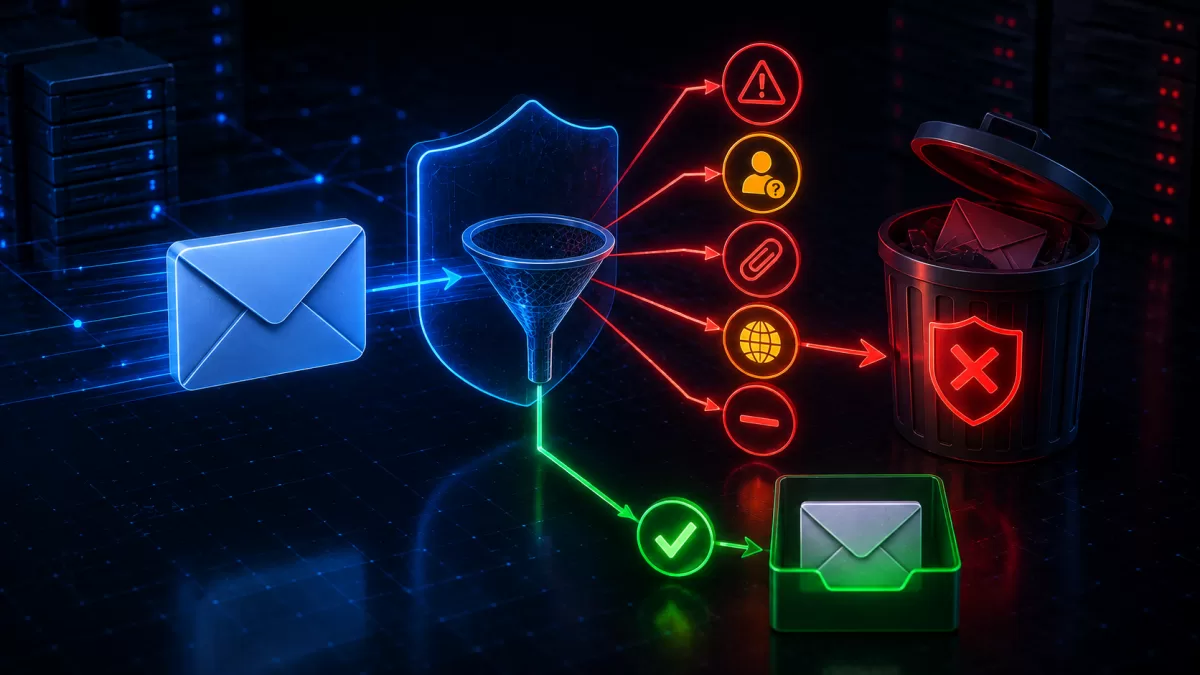
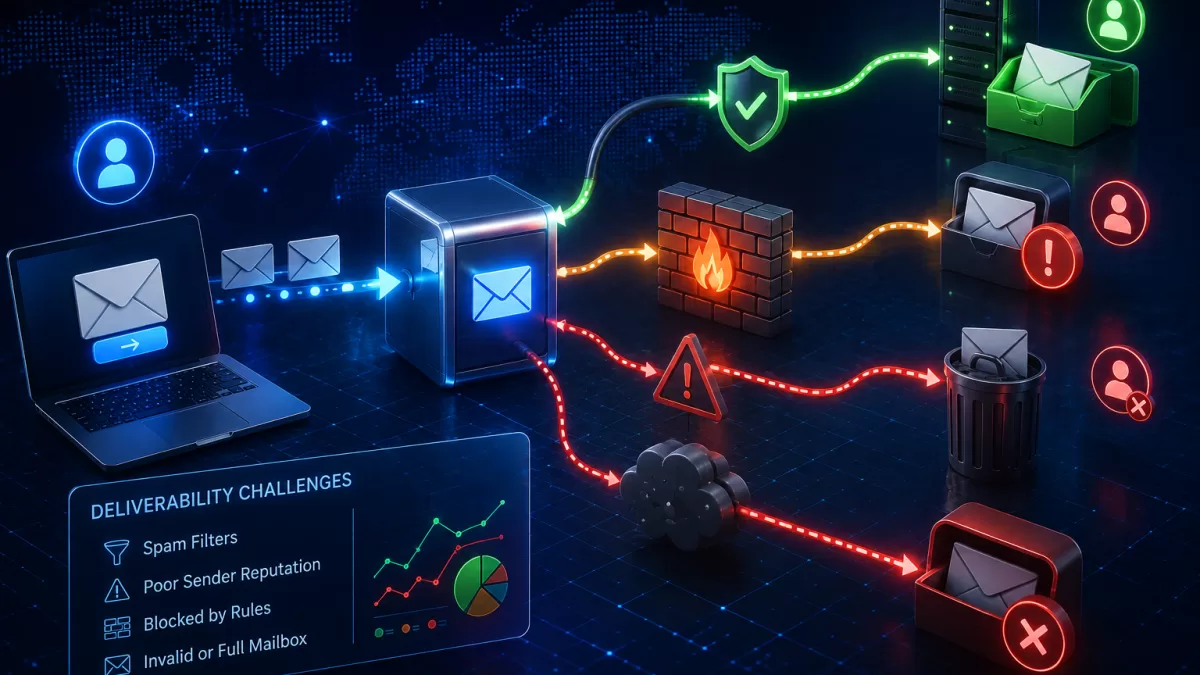
Inbox placement depends on much more than whether a message is technically valid. Authentication, sender and IP reputation, complaint rates…
SMTP is designed to cope with temporary delivery problems. When a destination returns a temporary failure, the sending server normally queues the…
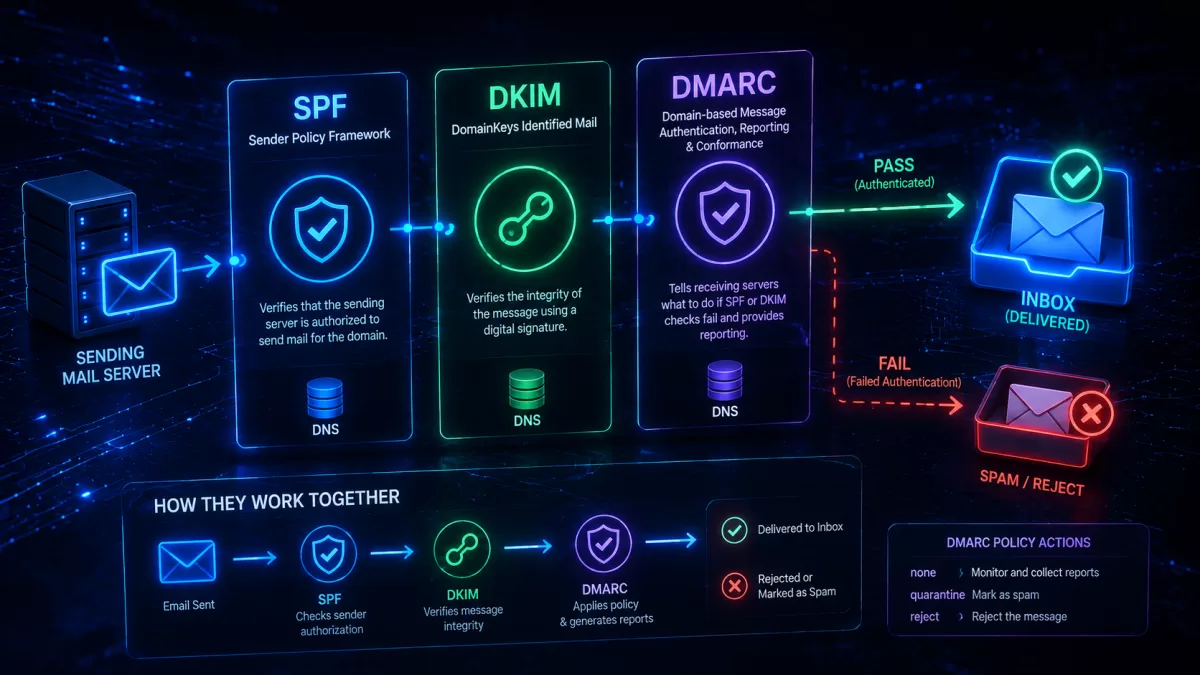
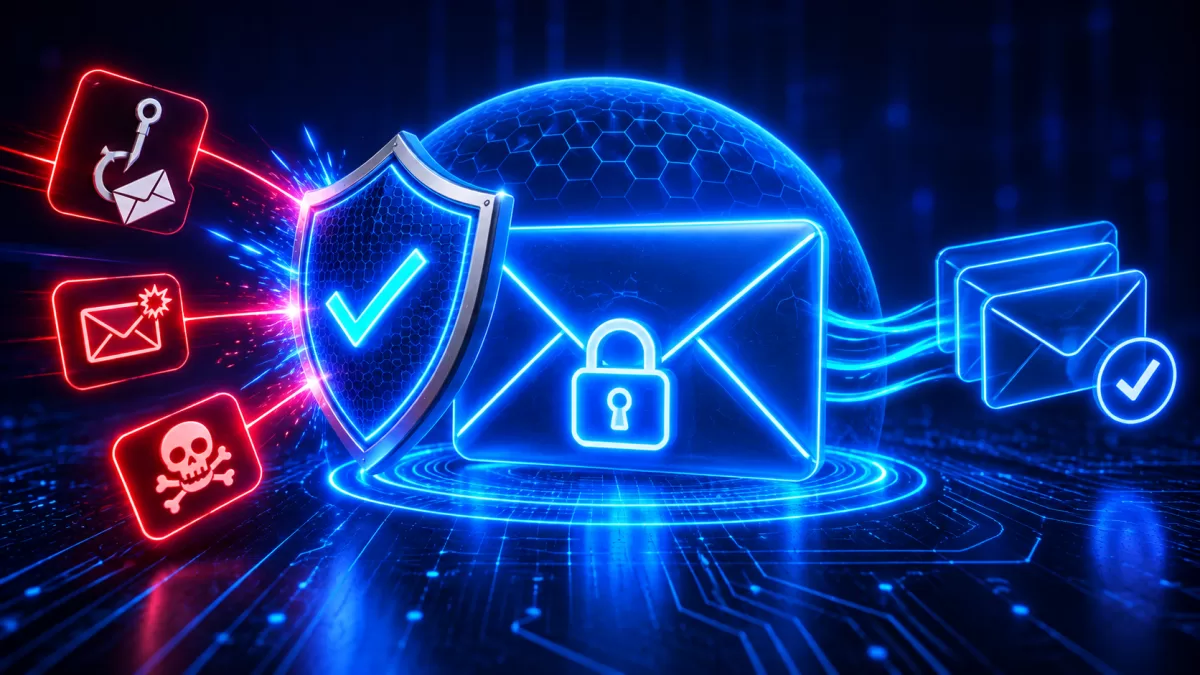
SPF, DKIM and DMARC solve different parts of the sender-authentication problem. SPF checks whether the sending infrastructure is authorized, DKIM…
The aim is to connect the technology with everyday operational decisions. Mailbox providers evaluate more than message content.
The aim is to connect the technology with everyday operational decisions. Forwarding changes the route a message takes and can complicate sender authentication.
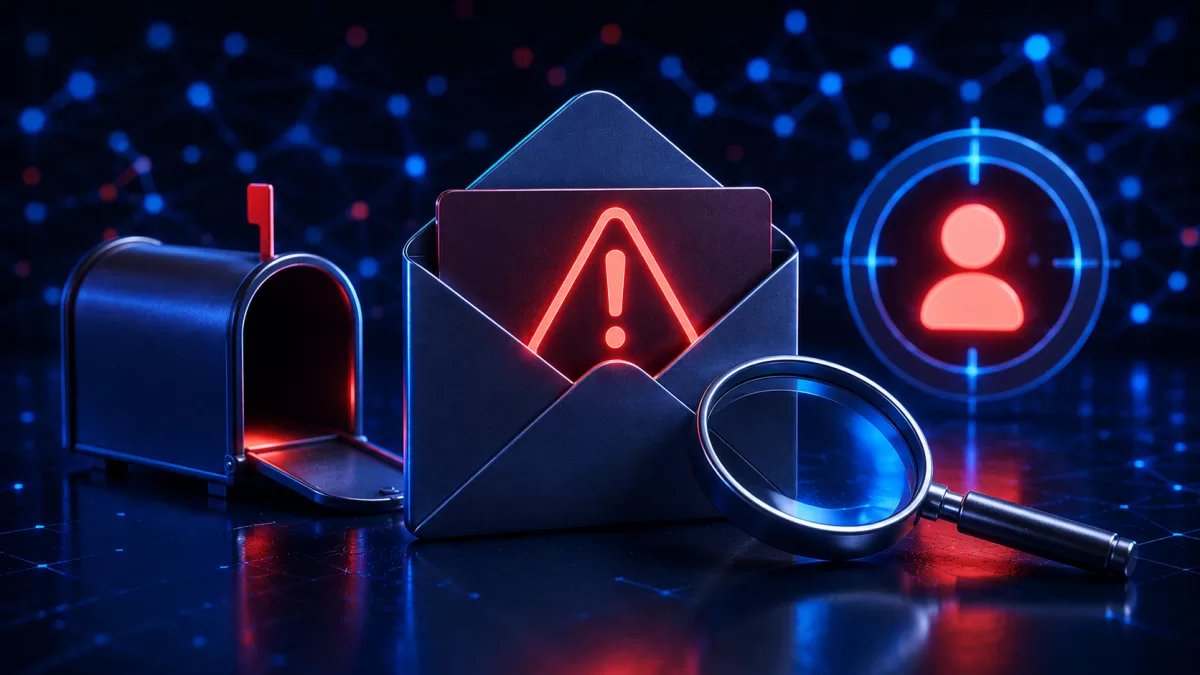
The aim is to connect the technology with everyday operational decisions. Unexpected forwarding rules, unfamiliar login locations, messages in Sent that the owner did not create, password-reset emails and sudden delivery problems…
The aim is to connect the technology with everyday operational decisions. DMARC connects SPF and DKIM authentication with a domain owner's policy and reporting.
Sender spoofing exploits the trust users place in familiar domains, company names and email identities.
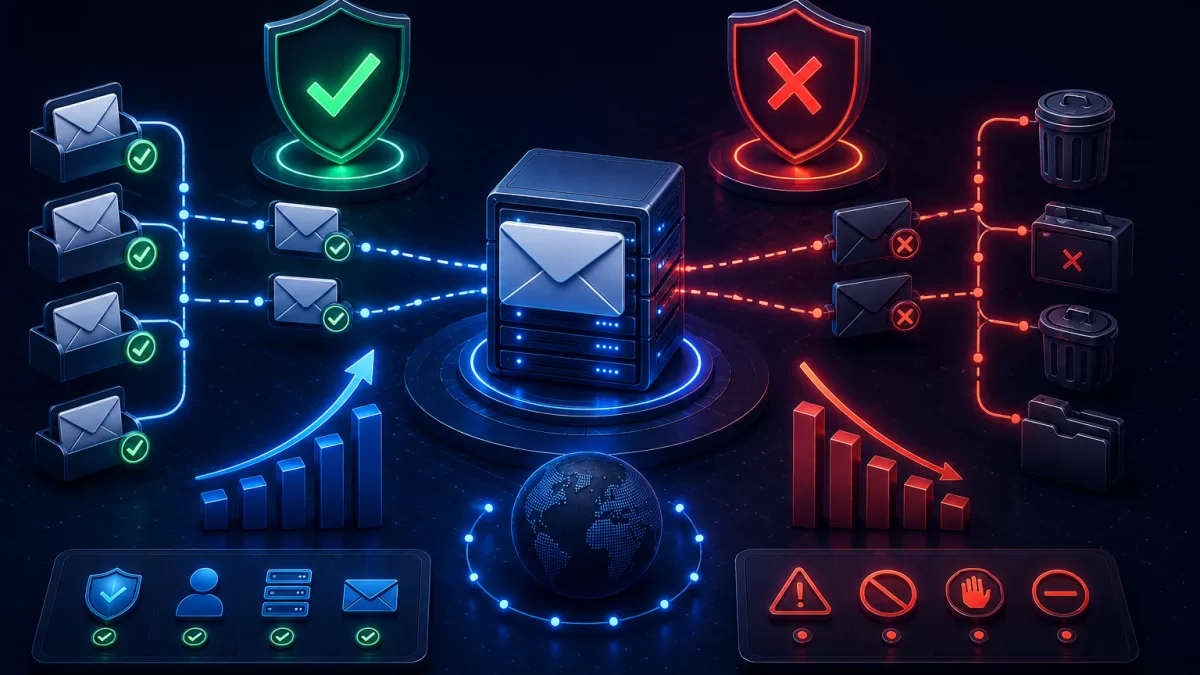
Email delivery is influenced by authentication, sender reputation, message quality and recipient behaviour.
These three technologies work together to reduce sender spoofing and strengthen business email reliability.