The incident affected a subset of R2 storage
Cloudflare reported an R2 availability issue beginning on August 7, 2026 involving a small number of buckets in ENAM. According to its status updates, writes to affected buckets were impacted during a defined period and recovery work continued into August 9 for a remaining subset of objects. The scope was not every R2 customer, but applications depending on affected data could still experience a very real service problem.
Cloud services fail in partial ways
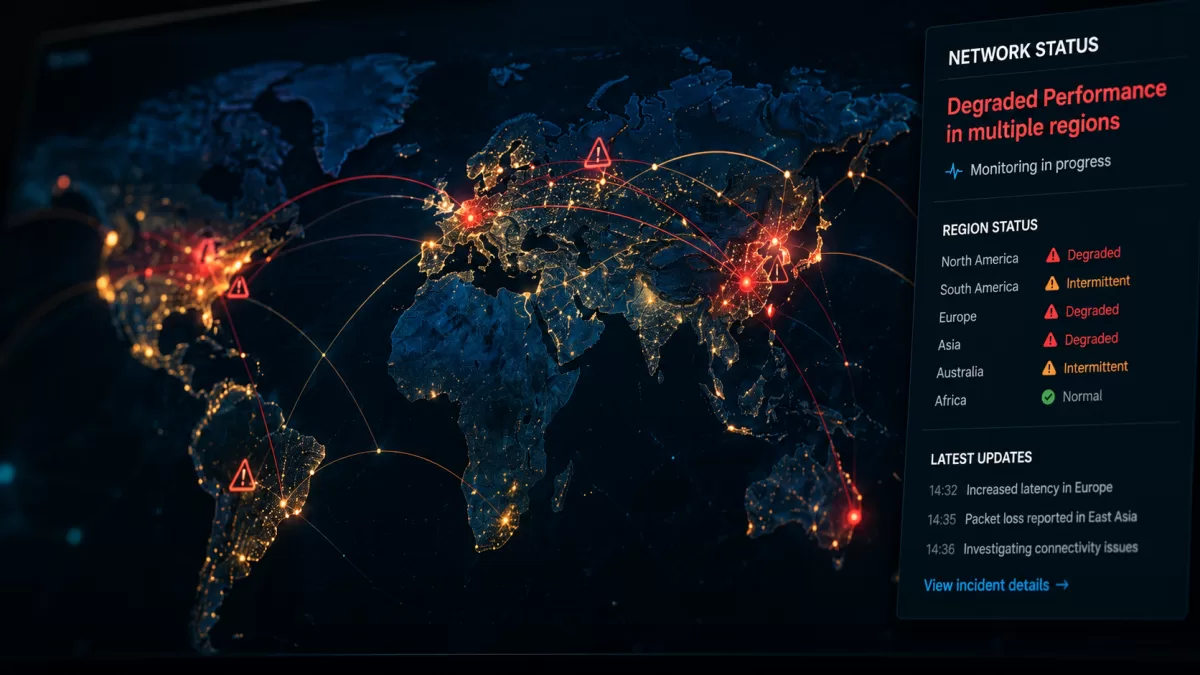
A dependency does not have to disappear globally to affect an application. One region, bucket, API operation or class of objects may be impaired while other parts remain available. This makes health checks that only test the application homepage less informative. If object storage is critical, its behaviour should be considered separately in monitoring and incident diagnosis.
Architecture determines how visible the failure becomes
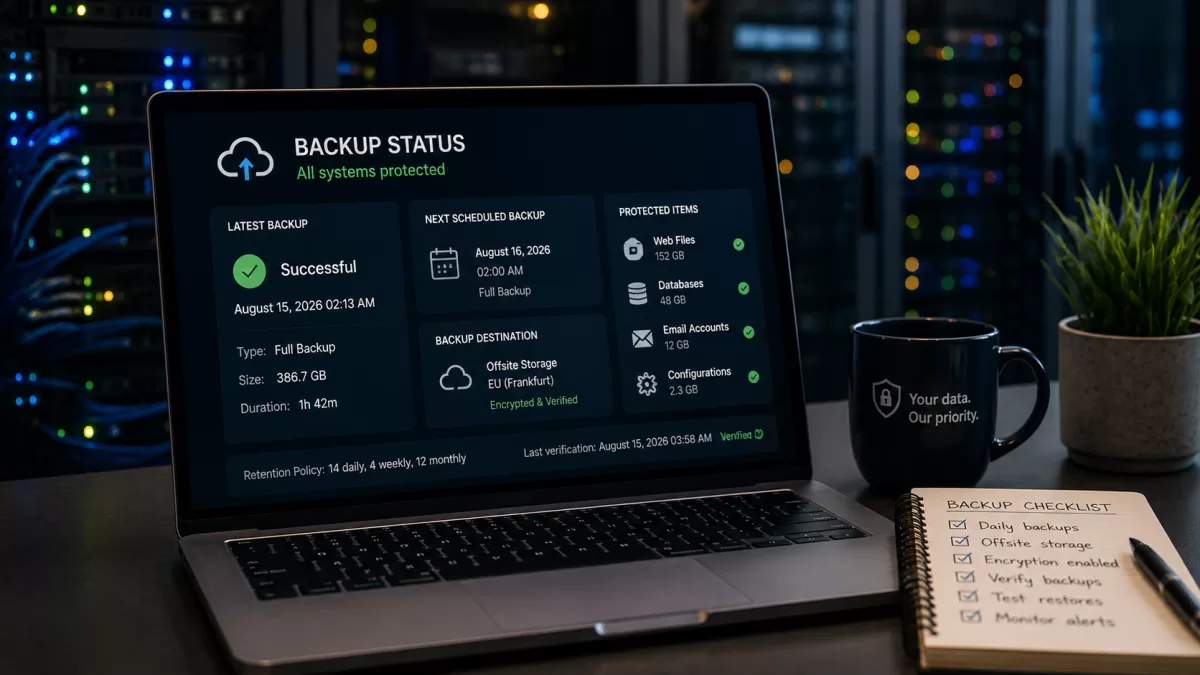
An application may be able to serve cached assets while storage is impaired, queue uploads for later processing or present a controlled error instead of failing completely. Those behaviours require design work before an incident. Redundancy also needs careful thought: copying data to another service is useful only when restoration or failover procedures are understood and tested.
The lesson is dependency awareness, not distrust of cloud
No infrastructure platform can promise that every component will always be available. The practical question is which external services the application depends on and what happens when each becomes slow, read-only or unavailable. Mapping those dependencies, monitoring them and planning graceful degradation produces more resilient systems than assuming a well-known provider removes operational risk.